
The Connection, Inc Blog
The Connection, Inc has been serving the New Jersey area since 1992, providing IT Support such as technical helpdesk support, computer support and consulting to small and medium-sized businesses.


Every October, millions of people welcome ghost stories, costume parties, and jump scares. But for business leaders and IT administrators, the truly terrifying monsters aren't hiding under the bed—they're lurking on your business’ network.
Digital threats don't wear cheap rubber masks or knock on the door asking for candy. They creep through unsecured endpoints, masquerade as harmless routine emails, and slip past perimeter defenses when no one is watching. If your network and endpoint security strategy relies on outdated tools, your organization might be running a haunted house without even knowing it.
0 Comments
Over the past decade, every software vendor on the planet has tried to convince business owners that moving everything to the cloud is the only way to operate. They promised seamless access, zero maintenance, and infinite scaling. What they did not mention is what happens to your operations when the internet connection stutters, or when a remote server thousands of miles away experiences an outage.
If your staff cannot pull customer records, process transactions, or update inventory because a remote server is unreachable, your business is effectively closed.

October marks Cybersecurity Awareness Month, a vital reminder that technical infrastructure relies on human habits. A single compromised credential exposes your entire network to unauthorized access and operational downtime. Protecting your business data is a shared responsibility.
A few years ago, renewing your cyber insurance policy was a simple task. You filled out a one-page form, checked a box stating you had an antivirus program installed, and mailed it back.
Those days are officially over.

Traditional password rules built around mandatory numbers, special characters, and quarterly resets are officially obsolete. Security standards now prioritize length and usability over artificial complexity, while passwordless alternatives eliminate credentials entirely. Protecting your workstation is a vital duty to safeguard your colleagues and company data.
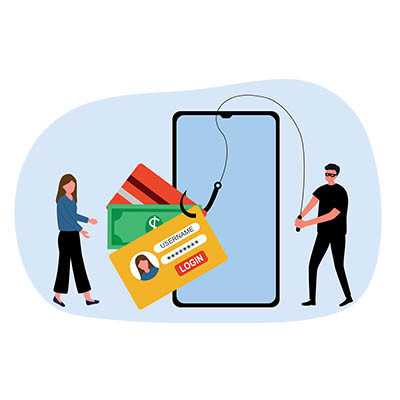
Most business owners assume their company is too small to attract the attention of an active hacker. Cybercrime has evolved into an automated industry that constantly scans the internet for open vulnerabilities rather than specific brand names. Therefore, leaving your network unsecured effectively guarantees your systems will eventually be found.
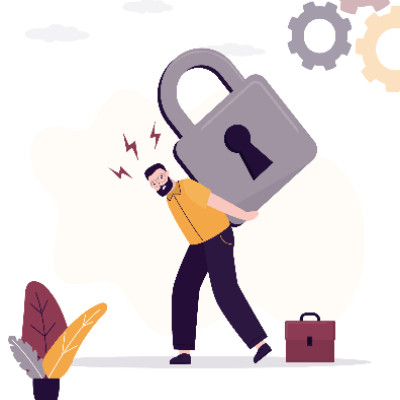
When team members bypass IT security guidelines, it is rarely out of malice. In nearly every case, employees are simply trying to get their daily work done without running into digital roadblocks that slow them down. Understanding the reality of security friction is the absolute first step toward fixing it.

Small businesses miss out on lucrative enterprise contracts every single day, and it rarely has anything to do with the quality of their work. The deal usually grinds to a halt the moment a prospective corporate client hands over a 50-page vendor security questionnaire. Let's talk about how you can prepare your business to pass these audits with confidence.

Generative AI tools offer tremendous potential for daily workplace efficiency, but using them without proper guardrails yields inaccurate work and serious data privacy risks. When employees learn how to prompt these tools responsibly, team operations run smoothly without compromising critical organizational security.
When a massive software vulnerability hits the news…we’re talking about ones that threaten infrastructure, supply chains, or businesses globally…it often feels like an uncontrollable wildfire. The public might panic, but what you don’t see is the quiet, behind-the-scenes work that goes into addressing these issues before they reach your business.
These days, the window of time between a vulnerability being discovered and hackers exploiting it is smaller than ever, and if you wait before taking action, it could cost you your business.

Modern cybercriminals have shifted their tactics. Instead of immediately encrypting live production servers, sophisticated attackers now quietly compromise secondary backup archives first; stripping away your ability to restore systems independently. If your enterprise data configurations allow backup logs or files to be altered or deleted, a single breach can permanently destroy your operational records and force costly, catastrophic downtime.

It can feel like every phone call, text message, and email is an attempt to steal money or compromise your network. Scammers target individuals and organizations constantly, using increasingly refined tactics.
While you cannot stop bad actors from sending fraudulent messages, you can implement simple controls to reduce risk. Here are four practical steps you can take to protect yourself and your organization.

We all like to think we have a solid handle on our day-to-day operations, but technology has a sneaky way of creating blind spots. Even well-intentioned leaders occasionally fall into simple traps that put their operations at risk. Let’s look at a few of the most easily avoidable IT mistakes and how you can fix them today.
In architecture and engineering, shortcuts often end in spectacular failure. Consider the Tacoma Narrows Bridge: first opened in 1940, engineers had shortened the deck design to save time and weight. The bridge—famously nicknamed "Galloping Gertie"—swayed violently in moderate winds until it ultimately collapsed.
Similarly, in business IT, taking quick shortcuts feels harmless at first, but it creates hidden structural vulnerabilities beneath your day-to-day operations. While cutting corners might save a few minutes today, it routinely compromises long-term security and stability.

Mention complex frameworks like HIPAA, PCI DSS, or data privacy laws, and most managers immediately picture mountains of dry paperwork, confusing audits, and looming fines. It feels like a web of red tape designed for Fortune 500 giants, yet dumped onto small and mid-sized offices that don't have a dedicated legal team on retainer.
When you strip away the legal jargon, IT compliance isn't about pleasing a government bureaucrat or checking boxes for fun. At its core, it's about proving that you take reasonable, standardized steps to protect the sensitive client data trusted to your care.
Operating without a backup is a major business risk, but relying on an unverified or poorly configured backup system is often far worse. It creates a false sense of security where you assume your data is protected right up until you need to perform a restore.
When a hardware failure, cyberattack, or human error occurs, a flawed backup process fails to recover your files and actively compounds your financial loss.
Take a look at your employees’ laptops right now. Chances are they are still saving PDFs, proposal slideshows, and client spreadsheets directly to their “Documents” folder or their local desktop. The practice of storing business files directly on local physical hard drives is not sustainable, and it exposes your business to more than simple technical inconveniences.
Due to tightening regulatory landscapes and the realities of remote risk mitigation, allowing corporate data to rest on a physical endpoint that can be lost, stolen, or compromised is a liability you don’t want to deal with.

You cannot secure a business by simply buying expensive software or new computers. Even massive companies with huge budgets get hacked regularly. True cybersecurity is not a product you buy and forget about. It is a daily habit that involves every single person in your company.

Managing data storage and file sharing across a growing company requires a deliberate strategy. Many businesses start out using whatever tools are immediately available, such as standard email attachments or personal cloud storage accounts. While this approach allows a small team to complete daily tasks in the short term, it creates significant operational and security risks as an organization scales. There is a fundamental difference between simply storing files somewhere and executing a managed data architecture.

Many small and medium-sized medical and dental practices operate under the assumption that the Department of Health and Human Services only focuses on massive healthcare networks. This assumption is incorrect and dangerous.
The Office for Civil Rights actively investigates smaller clinics. Most of these investigations are not random audits. Instead, they stem from a single patient complaint, a lost mobile device, or a staff member clicking on a malicious link in an email. Because HIPAA violation fines scale based on the level of perceived neglect, a single unencrypted device can easily jeopardize the financial viability of a local clinic. Data security requires strict, non-negotiable protocols regardless of the size of your operation.
News & Updates
The Connection, Inc. Celebrates 32 Years as a Trusted Technology Provider! Since our founding in 1992, technology and the way we operate and do business has changed a lot. Companies that have adapted and aligned themselves with ...
Understanding IT
Get the Knowledge You Need to Make IT Decisions
Technology is constantly evolving, and keeping up can feel overwhelming. Whether you want to understand cybersecurity threats, explore automation, or learn how regulations like PCI DSS impact your business, we’ve made it easy to access clear, straightforward insights on key IT topics.
Contact Us
Learn more about what The Connection can do for your business.
The Connection
51 Village CT
Hazlet, New Jersey 07730