
The Connection, Inc Blog
The Connection, Inc has been serving the New Jersey area since 1992, providing IT Support such as technical helpdesk support, computer support and consulting to small and medium-sized businesses.


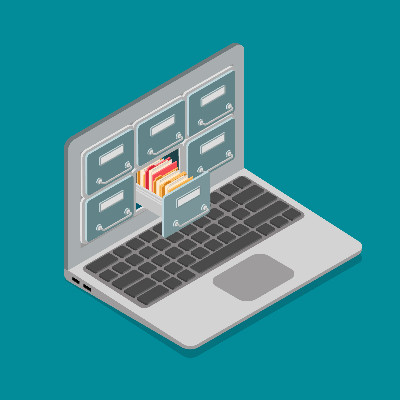
Take a look at your employees’ laptops right now. Chances are they are still saving PDFs, proposal slideshows, and client spreadsheets directly to their “Documents” folder or their local desktop. The practice of storing business files directly on local physical hard drives is not sustainable, and it exposes your business to more than simple technical inconveniences.
Due to tightening regulatory landscapes and the realities of remote risk mitigation, allowing corporate data to rest on a physical endpoint that can be lost, stolen, or compromised is a liability you don’t want to deal with.
0 Comments

Ask a handful of IT consultants to explain the cloud, and you’ll likely be met with a blizzard of buzzwords—”scalability,”“elasticity,” and “hybrid infrastructure”—that do very little to help you hit your quarterly goals.
All the noise aside, the cloud isn’t a mystery; it’s simply renting someone else's computer. Instead of maintaining a server box in your broom closet, you are leasing space on high-performance machines owned by giants like Microsoft, Amazon, or Google. They own the hardware; you own the results.

Is your office still housing a server closet? If so, you’re likely sitting on the most expensive, non-productive square footage in your building. Between the specialized cooling costs, the constant hardware maintenance, and the looming threat of mechanical failure, physical servers have become an expensive anchor for the modern business.
Forward-thinking companies are ditching the hardware in favor of the cloud—a solution that eliminates your physical footprint while maximizing your agility.

Does this sound familiar? Your business is growing, but you haven’t changed your server hardware since you began operations. It’s hindering growth at this point, and you don’t know what to do. The best solution out there is to turn to the cloud. With the right implementation of a cloud-first model, you can effectively future-proof your business so it can grow unhindered.

We often publish articles about the cloud and how it’s impacting the world of business, but one thing you can never get away from is how important security is to this mission. Regardless of the use, the cloud is only helpful if it’s secure, and it can actively hold your business back if you neglect this important aspect of its operations.
The cloud is one of those solutions that you’re either taking full advantage of or you have yet to experience the true benefits it can provide. If you’re still on the fence about cloud migration, we have news for you; this decision is actually costing you in the long term. We recommend you explore the possibility of cloud migration by considering why you’re so worried about it in the first place (and why that doesn’t make sense).
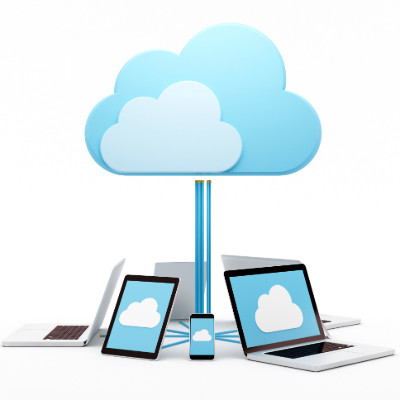
The cloud is an essential piece of technology for any modern business, but how much do you actually know about the cloud in 2025? Any business can leverage the cloud, from small businesses to large enterprises. Let’s discuss what the cloud is, what it does, and how it can help your business reimagine its operations.

Data storage is hardly the most interesting topic out there, but it’s one that your business needs to consider if it’s going to flourish in the modern era. The cloud offers you real benefits from traditional on-premises file storage, all while being cheaper and more efficient. Let’s take a look at three reasons you might consider cloud storage over in-house infrastructure for your company’s data storage needs.

Think about the apps you use daily—Google Drive, Netflix, Spotify, even Instagram. All of these run on cloud-based services, which basically means they store and process everything online instead of relying on one physical device. Businesses, big and small, are making the same shift because, honestly, it just makes sense. Let’s take a look at why you should be looking to use cloud services in your business.
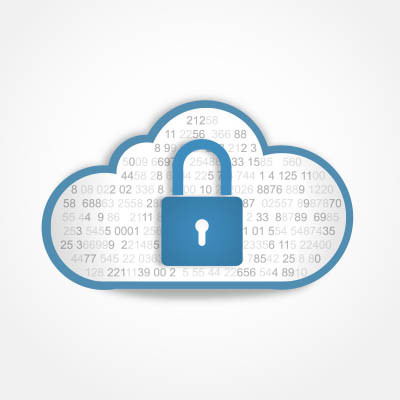
Cloud computing as a whole has been one of the most transformative technologies for businesses. With so many companies (upward of 90 percent of modern businesses) using some type of cloud computing, more companies than ever are really leaning into the technology and use it for mission critical business processes. Let’s take a look at some of the ways businesses can secure their cloud resources.

Cloud computing has become a common tool, especially Software-as-a-Service (SaaS). Hosted software provides robust options that make sense to all companies, including anytime-anywhere availability, scalability, and provider management of the underlying hardware. In today’s blog, we want to discuss a couple of tips people can use when working with cloud computing.

Most businesses who utilize the cloud report that they have managed to cut costs while still getting the resources they need to perform to spec. Businesses can use the cloud for processing and storing data, as well as application deployment, making it a very dynamic solution to a business’ needs. However, you cannot make decisions based on cost alone. Here are some other factors to consider.

Cloud computing is a major growth industry as businesses and individuals look to use the computing strategy to either save money or get resources that they would typically not be able to commit to. With cloud computing becoming more and more integrated into business each year, it stands to reason that the once Wild West of cloud computing would start to see a lot more regulation. This week, we’ll take a look at how the cloud is regulated and what to expect out of cloud regulation down the road.

Software makes or breaks businesses, so your software strategy should be implemented with sound logic in mind. One of the ways you can make the most out of your limited resources and budget is to consider cloud-hosted Software as a Service offerings. With SaaS, you can implement better software that is more accessible, flexible, and manageable than the traditional method of hosting.

Since it first entered the mainstream in the mid-2000s, cloud computing has become a cornerstone of businesses of every size and shape. The big question that remains, however, is what your business could lean on the cloud to do. Let’s go over the multitude of options that the cloud opens up for a business.

When you think of the government, you don’t immediately think of an organization that is at the forefront of innovation. Sure, they have all that money at their disposal, but most of it goes here and there to try to help the people of a constituency; and, frankly it isn’t terribly efficient. What may surprise you is that governments are embracing cloud services and it tends to benefit everyone. Let’s see how governments are taking advantage of cloud computing.

Cloud computing is being used by nearly everyone nowadays, and most of the time it presents a lot of value that can’t be found with purchasing, managing, and maintaining an in-house computing infrastructure. As an organization begins moving more and more of their computing to the cloud, there is a situation that arises that industry professionals call “cloud sprawl”.
You might be familiar with the concept of hosting a service or application in-house on your own server units, and if you are, you know all about the struggles that come along with doing so. But what if we told you that you can get the same benefits of hosting your own applications and IT systems without the need for any of the bulky equipment taking up space in your office? Yes, that’s right—you too can host your business applications, even if you do not have the space to do so, and it’s all thanks to the cloud.
Cloud computing is a monster of a topic in and of itself, perhaps more so than most people might expect. Let’s define what cloud management is and take a closer look at what goes into properly managing your cloud-based resources.
The cloud is a great tool to improve the accessibility of applications and data, but with so many options available to businesses, it can be a bit intimidating to get started with it. Let’s go over some of the various types of cloud solutions available, as well as some of the more well-known services that you might find helpful.
News & Updates
The Connection, Inc. Celebrates 32 Years as a Trusted Technology Provider! Since our founding in 1992, technology and the way we operate and do business has changed a lot. Companies that have adapted and aligned themselves with ...
Understanding IT
Get the Knowledge You Need to Make IT Decisions
Technology is constantly evolving, and keeping up can feel overwhelming. Whether you want to understand cybersecurity threats, explore automation, or learn how regulations like PCI DSS impact your business, we’ve made it easy to access clear, straightforward insights on key IT topics.
Contact Us
Learn more about what The Connection can do for your business.
The Connection
51 Village CT
Hazlet, New Jersey 07730